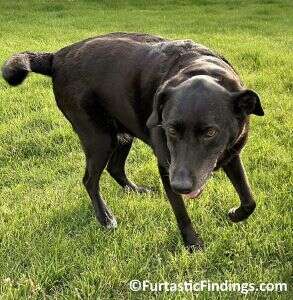
Have you ever wondered why your dog walks in circles? It might seem odd, but it can tell you a lot about your dog’s health and well-being. A dog walking in circles can mean many things, from minor issues like excitement to more serious problems like ear infections or brain disorders.
This post will look at the behavior of dogs walking in circles, including common causes of the behavior, behavioral and environmental factors that can contribute to this behavior, diagnosing a problem if there is one, and treatment and management of the conditions leading to your dog walking in circles.
Table of Contents:
Related: Dog Epilepsy: Understanding Causes And Treatments, OCD In Dogs: Identifying And Managing Symptoms, What Is A Dog Neurologist And Does My Dog Need To See One?, Best Dog Ear Cleaning Solution
Disclaimer: This post is meant to be informative and should not be taken as medical advice. Talk to your veterinarian regarding any health concerns you may have for your dog.
What Are Common Causes Of Dog Circling Behavior?
Dogs may walk in circles for various reasons. You might notice your dog spinning before meals or when they’re happy to see you. This is normal and not a cause for worry. But if your dog starts circling often or can’t seem to walk straight, it’s time to pay attention. This could be a sign of health problems that require veterinary care.
Some health issues that can cause your dog to walk in circles include ear problems, balance issues, brain conditions, and age-related changes.
Inner Ear Infections
Inner ear infections can make your dog walk in circles. These infections affect balance and hearing. Signs include head tilting, shaking, and scratching at the ears. Your dog may also seem unsteady or dizzy.
Bacteria or yeast often cause ear infections. Allergies, water in the ears, or foreign objects can also lead to them. If you notice your dog circling and showing ear discomfort, see your veterinarian.
Veterinarians can diagnose ear infections by looking in the ear canal. They may also take samples to check for bacteria or yeast. Treatment usually involves ear cleaning and medication, including drops you may have to put in your dog’s ears at home.
Canine Vestibular Disease
This condition affects your dog’s balance system. It can cause sudden circling, often to one side. Your dog may also have rapid movement of their eyes and trouble standing up.
Vestibular disease can happen at any age, however, it’s more common in older dogs. The exact cause isn’t always clear. It might be due to ear infections, head injuries, or brain tumors.
Most cases of vestibular disease improve on their own, but your dog should see their veterinarian to rule out any serious causes. Treatment will depend on the underlying reason. It may include anti-nausea drugs and supportive care.
Recovery can take a few days to weeks. Some dogs may have a slight head tilt even after getting better, but most return to normal with time and proper care.
Neurological Disorders
Brain or nerve problems can also cause your dog to walk in circles. These issues affect how the brain controls movement. Your dog might seem confused or bump into things.
Seizures are a common neurological problem in dogs. During a seizure, your dog might spin in circles. Other signs include shaking, drooling, and loss of awareness.
Brain tumors can also cause circling. This is due to the tumor putting pressure on parts of the brain that control movement. Signs often start slowly and get worse over time.
If you think your dog has a neurological issue, see your veterinarian right away. They may do tests like MRI scans to check the brain. Treatment varies based on the exact problem, but may include medication, surgery, or other therapies.
Other neurological disorders that may lead to your dog walking in circles include:
- Cancer.
- Degenerative Myelopathy.
- Epilepsy.
- Infections.
- Meningitis.
- Trauma.
Brain Disease
Some brain diseases can lead to circling behavior in dogs. These might be infections, inflammation, or degenerative conditions. Each can affect different parts of the brain, changing how your dog moves and acts.
Encephalitis, or brain inflammation, can cause circling. It may be due to infections or immune system problems. Signs include fever, pain, and changes in behavior.
Strokes can also cause dogs to walk in circles. They happen when blood flow to the brain is blocked. Symptoms often come on suddenly and may affect one side of the body.
Brain diseases need quick veterinary care. Your veterinarian might do blood tests, spinal taps, or imaging scans. Treatment aims to address the underlying cause and manage symptoms. This may involve medications, special diets, or supportive care.
Cognitive Dysfunction
As dogs age, they can develop cognitive dysfunction. This is like dementia in humans. It can cause confusion and changes in behavior, including walking in circles.
Signs of cognitive dysfunction often show up slowly. Your dog might seem lost in familiar places. They may walk in circles, especially at night. Other signs include changes in sleep patterns and bathroom habits.
There’s no cure for cognitive dysfunction, but you can help manage it. Special diets, supplements, and medications can slow its progress. Keeping your dog active and engaged can also help.
Talk to your veterinarian if you notice signs of cognitive changes. They can rule out other health issues and suggest ways to keep your dog comfortable. With proper care, many older dogs with cognitive dysfunction can still have a good quality of life.
What Are Some Behavioral And Environmental Factors That Can Cause Dogs To Walk in Circles?
Dogs may walk in circles due to learned behaviors, stress, or changes in their surroundings. These factors can trigger or reinforce circular walking in your pup.
Compulsive Behaviors
Some dogs develop repetitive habits like circling. This can arise from boredom or anxiety. You might notice your dog spinning before lying down or during playtime.
If the behavior becomes excessive, it could be a sign of Obsessive-Compulsive Disorder (OCD), also known as Canine Compulsive Disorder (CCD). OCD in dogs can lead to constant circling without purpose.
To address compulsive circling, try providing more mental stimulation. Puzzle toys and regular exercise can help. If the behavior persists, consult your veterinarian for guidance.
Anxiety And Stress
A dog walking in circles can also be a coping mechanism for anxiety they may be feeling or experiencing. Loud noises, new people, or changes in routine may trigger this behavior.
Watch for other signs of stress like panting, pacing, or hiding. Comfort your dog and remove stressors if possible.
Creating a calm environment can help reduce anxiety-related circling. Use soothing music or pheromone sprays, diffusers or collars to relax your pup. Regular exercise and playtime can also ease stress.
Environmental Changes
New furniture, rearranged rooms, or moving to a new home can confuse your dog. This may lead to circular walking as they try to make sense of their surroundings.
Give your dog time to adjust to changes. Keep their bed, toys, and food bowls in familiar spots.
Slippery floors can also cause your dog to walk in circles due to your dog struggling to find stable footing. Add rugs or non-slip mats to help them move more confidently.
Health Assessments And Diagnostics To Determine Why Your Dog May Be Walking In Circles
When your dog starts walking in circles, it’s important to get a proper medical evaluation from your veterinarian. Veterinarians use various tests and exams to help them figure out what may be causing this behavior and find the proper treatment for your pup.
Veterinary Examination
Your veterinarian will start with a physical exam. They’ll check your dog’s eyes, ears, and overall balance. Your veterinarian may test your dog’s responses to different stimuli. They’ll look for signs of pain or discomfort when touching certain areas.
Your dog’s walking pattern will be observed closely. Your veterinarian might ask you about changes in your dog’s behavior or habits. You will want to discuss when you first noticed your dog walking in circles and any other symptoms they may be exhibiting.
Imaging Tests
If the physical exam doesn’t reveal the cause, imaging tests may be needed. X-rays can show if there are any issues with the bones. CT scans or MRIs can give your veterinarian detailed pictures of your dog’s brain and inner ear.
These tests can help your veterinarian see if there’s swelling, bleeding, or growths in your dog’s body. They’re especially useful for finding problems in the brain or skull. Your dog might need to be sedated for some of these tests.
These results will help your veterinarian decide on the best treatment plan for your dog.
Laboratory Work
Blood tests are often part of the diagnostic process. They can reveal infections, organ problems, or imbalances that might cause your dog to walk in circles. Your veterinarian may check for specific issues like thyroid problems or diabetes.
Urine tests can also provide useful information. In some cases, your veterinarian might take samples of ear discharge or spinal fluid. These samples are examined for bacteria, fungi, or other troublemakers.
Lab work helps rule out or confirm certain conditions. They can help your veterinarian in choosing the right medications or treatments for your dog.
Treatment And Management
Getting help for a dog walking in circles is important. The right care depends on what’s causing the problem. Your veterinarian can suggest the best plan for your pup.
Medication And Therapies
If your dog has an ear infection, your veterinarian may prescribe antibiotics or antifungal drugs. These can clear up the issue and stop the circling. For vestibular disease, your veterinarian might prescribe motion sickness pills to ease dizziness.
Brain problems may need special drugs. These can reduce swelling or control seizures. Some dogs might need surgery to remove tumors.
Physical therapy can help dogs with balance issues. This can include special exercises to improve coordination.
Acupuncture might also help some dogs feel better.
Behavioral Modification
As mentioned above, some dogs walk in circles due to stress or anxiety. In these cases, changing their behavior can help. You can try giving your dog more exercise and playtime. This can help reduce stress and boredom.
Training can also be useful. Teach your dog new tricks or commands. This can keep their mind busy and reduce anxious behaviors.
For some dogs, a calm, quiet space helps. Set up a cozy area where your dog can relax. Use soft music or white noise to create a soothing environment.
Home Care Strategies
Making changes at home can help your dog feel better. If your dog has balance issues, put non-slip mats on slick floors. This can prevent falls and make walking easier.
For older dogs with confusion, keep their space simple. Don’t move furniture around too much. Use night lights to help them see in the dark.
Diet changes might help some dogs. Ask your veterinarian about foods that support brain health. Make sure your dog drinks enough water as well.
Regular check-ups with your veterinarian are important.
Keep an eye on your dog’s behavior. If the circling gets worse or new symptoms show up, call your veterinarian right away.
For more information on vestibular disease, which can cause dogs walking in circles, please visit PetMd.
For information on brain diseases that can cause dog walking in circles, please visit Southeast Veterinary Neurology.
Please check out our other posts on Health, Indoor, Outdoor, and Travel accessories for your dog, as well as Reviews of various products and travel destinations.