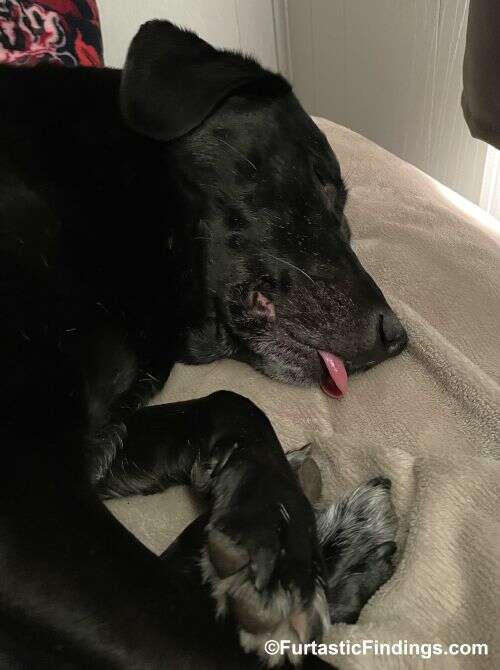
Does your dog snore at night? Do they sometimes wake up gasping for air? These could be signs of sleep apnea, a condition that affects humans and yes, dogs too.
This post will look at sleep apnea in dogs, causes and risk factors, signs and symptoms of sleep apnea in dogs, how it is diagnosed, and treatment options available.
Table of Contents:
Related: Can Dogs Recognize Themselves In A Mirror?, Do Dogs Have A Paw Preference?
Disclaimer: This post is meant to be informative and should not be taken as medical advice. Talk to your veterinarian regarding any health concerns you may have for your dog.
What Is Sleep Apnea In Dogs?
Sleep apnea affects dogs just like humans, causing breathing interruptions during sleep. This condition is more common than many pet parents realize and can significantly impact your dog’s health and quality of life.
Sleep apnea in dogs is a condition where breathing repeatedly stops or becomes shallow during sleep. These pauses in breathing are called apneas and can last from a few seconds to minutes. When normal breathing resumes, your dog might snort or make choking sounds.
Obstructive sleep apnea (OSA) is the most common type in dogs. It occurs when the airway becomes temporarily blocked during sleep, often due to the relaxation of throat muscles or physical obstructions.
Unlike humans who might feel tired during the day, dogs show different signs of sleep disruption. This makes the condition harder to detect without careful observation.
What Are Causes And Risk Factors Of Sleep Apnea In Dogs?
Breed characteristics play a significant role in canine sleep apnea. Short-nosed (brachycephalic) breeds like Bulldogs, Pugs, and Boston Terriers are most susceptible due to their facial structure. Other risk factors include:
- Obesity.
- Allergies.
- Enlarged tonsils.
- Nasal blockages.
- Throat abnormalities.
Excess weight puts pressure on the airway, making it more likely to collapse during sleep. This is why weight management is important for at-risk dogs.
Age can also influence sleep apnea development. Older dogs may have less muscle tone in their throats, increasing their risk of airway collapse during sleep.
What Are Symptoms And Signs Of Sleep Apnea In Dogs?
Identifying sleep apnea in your dog requires careful observation, especially during rest periods. The most noticeable sign is loud, chronic snoring, but not all snoring dogs have sleep apnea. Signs of sleep apnea may include:
- Pauses in breathing during sleep.
- Gasping or choking sounds.
- Restless sleep or frequent position changes.
- Daytime fatigue or reduced activity.
- Irritability or behavioral changes.
You might notice your dog waking suddenly from sleep, appearing disoriented. This can happen when their brain signals them to wake due to low oxygen levels.
Morning lethargy or reluctance to exercise could indicate poor sleep quality from breathing disruptions throughout the night.
How Is Dog Sleep Apnea Diagnosed?
Identifying sleep apnea in dogs requires professional veterinary assessment and specialized monitoring. Proper diagnosis involves both physical examination and observation of your dog’s sleep patterns.
Veterinary Examination
Your veterinarian will first conduct a thorough physical exam focused on your dog’s respiratory system. They will check for anatomical issues that might obstruct breathing, especially in brachycephalic (short-nosed) breeds like Bulldogs, Pugs, and Boston Terriers.
They will assess your dog’s weight, as obesity is a risk factor for sleep apnea. They’ll examine the throat, nasal passages, and soft palate for abnormalities.
Your dog’s medical history is important during this process. Be prepared to describe symptoms you’ve noticed, such as loud snoring, gasping during sleep, or daytime fatigue. Note when these symptoms occur and their severity.
Sleep Studies And Monitoring
Similar to humans, dogs may need sleep monitoring for a definitive diagnosis. Your veterinarian might recommend overnight observation at a veterinary facility where breathing patterns can be tracked.
Some clinics use specialized collar devices that monitor breathing patterns at home. These devices can detect pauses in breathing and oxygen levels while your dog sleeps in their familiar environment.
Video recording your dog’s sleep can provide valuable evidence of sleep apnea episodes. Record from an angle that clearly shows their breathing patterns and any signs of distress.
Your vet might also use pulse oximetry to measure oxygen levels during sleep, which can indicate if breathing interruptions are affecting your dog’s health.
What Treatment Options Are Available?
Dogs with sleep apnea have several treatment paths available depending on the cause and severity of their condition. Veterinarians typically recommend a combination of approaches tailored to your dog’s specific needs.
Medical Interventions
Medication can play an important role in managing canine sleep apnea. Veterinarians may prescribe drugs that affect serotonin levels to help regulate breathing patterns during sleep. These medications can be particularly effective for dogs whose sleep apnea is related to neurological factors rather than physical obstructions.
Your vet might recommend anti-inflammatory medications if the apnea is caused by inflammation in the airways. These can reduce swelling and improve airflow during sleep.
For dogs with allergies contributing to respiratory issues, antihistamines or other allergy medications may help reduce symptoms and improve sleep quality.
Lifestyle Changes And Management
Weight management is important for overweight dogs with sleep apnea. Extra fat around the neck and throat can compress airways, worsening breathing problems during sleep.
Your vet might recommend a specialized diet and exercise plan to help your dog reach a healthier weight. Even modest weight loss can significantly improve sleep apnea symptoms.
Consider adjusting your dog’s sleeping position by providing a supportive bed that elevates their head slightly. This can help keep airways open during sleep.
Avoid exposing your dog to smoke, strong perfumes, or other irritants that might aggravate their breathing issues. Keeping your home clean and free of dust can also help.
Surgical Procedures
Surgery may be necessary for dogs with structural abnormalities causing sleep apnea. This is particularly common in brachycephalic (flat-faced) breeds. Surgical options include:
- Soft palate resection: Trimming an elongated soft palate that blocks airflow.
- Widening of nostrils: Opening narrow nostrils to improve breathing.
- Removal of excess tissue: Reducing tissue in the throat that obstructs airways.
Recovery from these procedures typically takes several weeks, but many dogs experience significant improvement in their breathing and sleep quality afterward.
Your vet will discuss the risks and benefits of surgery based on your dog’s specific condition, age, and overall health.
Prevention And Management
Managing sleep apnea in dogs requires a proactive approach focused on lifestyle modifications and creating optimal sleeping conditions. Taking steps to address underlying causes can significantly improve your dog’s sleep quality and overall health.
Weight Management And Diet
Maintaining a healthy weight is important for preventing and managing sleep apnea in dogs. Excess weight adds pressure on the throat tissues, worsening breathing issues during sleep.
Work with your veterinarian to establish an appropriate diet plan for your dog. Measure food portions carefully and avoid feeding table scraps or high-calorie treats.
Implement regular exercise appropriate for your dog’s breed, age, and health status. Even short daily walks can help control weight and improve overall respiratory function.
For obese dogs, a gradual weight loss program is safer than rapid weight reduction. Monitor progress with regular weigh-ins.
Some foods that cause inflammation may worsen sleep apnea symptoms, so consider eliminating potential allergens from your dog’s diet if recommended by your vet.
Environmental Adjustments
Create an optimal sleeping environment to minimize sleep apnea episodes. Elevate your dog’s head during sleep using a specialized dog bed with built-in elevation or by placing a small pillow on the bed.
Keep the air in your home clean by regularly changing air filters and considering an air purifier to reduce allergens that may contribute to respiratory issues.
Maintain comfortable humidity levels, as overly dry air can irritate airways. A humidifier in your dog’s sleeping area may help, especially during winter months.
Remove potential irritants like cigarette smoke, strong perfumes, or household chemicals from your dog’s environment.
For brachycephalic breeds (short-nosed dogs), avoid activities during extreme temperatures and maintain cool sleeping conditions to prevent breathing difficulties.
Dogs can develop sleep apnea, just like humans. If you are concerned about whether your dog has sleep apnea, please talk to your veterinarian to obtain a proper diagnosis.
For more information on sleep apnea in dogs, please see: Sleep Foundation, Sleepapnea.org, and PetMd.
Please check out our other posts on Health, Indoor, Outdoor, and Travel accessories for your dog, as well as Reviews of various products and travel destinations.