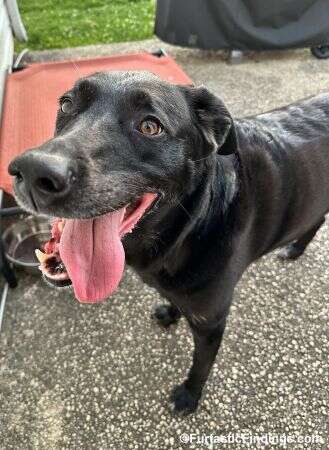
Constipation in dogs is a common problem that can cause discomfort and health issues for your pup. It happens when your dog has trouble passing stool or doesn’t poop for several days. It is important to keep an eye on your dog’s bathroom habits in case they have any issues, such as constipation.
This post will look at what constipation is, what can cause it, symptoms to look for, risk factors, how constipation is diagnosed, and treatment options available.
Table Of Contents:
Related: Using A Dog Fiber Supplement For Improved Digestion
Disclaimer: This post is meant to be informative and should not be taken as medical advice. Talk to your veterinarian regarding any health concerns you may have for your dog.
What Is Constipation In Dogs?
Constipation is a common digestive issue in dogs. It happens when your dog has trouble passing stool or doesn’t poop for several days. It causes discomfort and can lead to more serious problems if left untreated.
What Causes Constipation In Dogs?
Many things can make your dog constipated. A poor diet low in fiber is a common cause. Not drinking enough water can also lead to hard, dry stools.
Some dogs get constipated from eating things they shouldn’t, like bones or grass. These can block the intestines.
Older dogs may get constipated due to weak muscles.
Certain health issues like enlarged prostates or tumors can press on the colon and cause problems. If your dog has arthritis, it may cause them to have difficulty going.
Some medicines can slow down digestion as a side effect.
Lack of exercise is another factor that can lead to constipation in dogs.
Having anxiety or fear can cause a change in bowel movements, including constipation.
What Are Symptoms Of Constipation In Dogs?
You can tell your dog is constipated if they strain to poop or don’t go at all for a few days. When they do go, the poop may be hard and dry.
Watch for these signs:
- Crying or whining while trying to poop.
- Passing small amounts of liquid or mucus.
- Loss of appetite.
- Vomiting.
- Bloated or firm belly.
- Excessively circling.
- Frequent squatting.
If you see your dog licking their rear end a lot, it could mean they’re trying to relieve discomfort.
Some dogs may pace or seem restless when constipated.
What Are Risk Factors For Constipation?
Constipation can affect dogs of any age, but it’s more common in older pups. Large breeds tend to have more issues than small dogs.
Dogs who don’t get enough exercise are at higher risk. So are those who don’t drink enough water or eat a low-fiber diet.
Some health problems make constipation more likely:
- Kidney disease.
- Thyroid issues.
- Nerve problems affecting the spine.
Dogs who’ve had pelvic injuries might have trouble pooping.
If your dog takes certain medicines, like painkillers or iron supplements, they may get constipated more easily.
Regular check-ups can help catch constipation early. This is especially important for older dogs or those with health issues.
How Is Constipation In Dogs Diagnosed?
Identifying and addressing constipation in dogs requires a mix of professional care and home remedies. Proper diagnosis is important in order to determine the best treatment approach, which may range from simple lifestyle changes to medical interventions.
Your veterinarian will start with a physical exam and ask about your dog’s symptoms and history.
They’ll feel your dog’s belly and may do a rectal exam.
Blood tests and urinalysis can help find underlying health issues.
X-rays or ultrasounds might be needed to check for blockages or other problems in the digestive system.
In some cases, your veterinarian may suggest a barium study. This involves giving your dog a special liquid that shows up on x-rays, helping to spot issues in the digestive tract.
If your male dog isn’t neutered, a semen test might be done to check for prostate problems that can cause constipation.
Home Care And Remedies
You can try some safe home remedies to help your constipated dog:
- Add more fiber to their diet with canned pumpkin.
- Make sure they drink plenty of water.
- Increase exercise to help stimulate bowel movements.
- Try a gentle belly massage.
For mild cases, these steps might be enough to get things moving. But if your dog’s constipation lasts more than 48 hours or seems painful, it’s time to see your veterinarian.
Never give your dog human laxatives without talking to your veterinarian first. Some can be harmful to dogs.
Medical Interventions
If home care doesn’t work, your vet may suggest medical treatments. These can include:
- Enemas to help soften and remove hard stool.
- Prescription laxatives or stool softeners.
- Medication to increase intestinal motility.
In rare, severe cases, surgery might be needed to remove very hard, stuck stool. This is usually only done if other treatments haven’t worked.
Your veterinarian may also treat any underlying health issues causing the constipation. This could involve changes to your dog’s diet or medication.
Prevention Strategies
Stopping constipation in dogs before it starts is important. A few simple changes to your dog’s routine can keep things moving smoothly.
Diet And Hydration
Feed your dog a balanced diet with enough fiber. Mix in some canned pumpkin or cooked green beans for extra fiber. Wet food can help too. Give small meals more often instead of one big meal a day.
Make sure your dog always has fresh water. Put out more water bowls around the house. Add a bit of low-sodium chicken broth to their water to encourage drinking.
Try a probiotic made for dogs. This can help their digestive system work better.
Exercise And Activity Levels
Take your dog for regular walks. Aim for at least 30 minutes a day, split into two or three shorter walks if needed. This helps get things moving inside.
Play fetch or tug-of-war in the yard. Any activity that gets your dog moving is good.
Try new toys that make your dog run around. A flirt pole or treat-dispensing ball can be fun and active.
If your dog is older or has health issues, ask your veterinarian about safe ways to increase activity. Even short, gentle walks can help with digestion.
When To See Your Veterinarian
You should take your dog to your veterinarian if they haven’t pooped in 48-72 hours. This is especially important if you’ve tried home remedies without success.
Watch for these signs that require veterinary care:
- Straining to defecate.
- Visible discomfort or pain.
- Lack of appetite.
- Vomiting.
- Lethargy.
- Bloated abdomen.
Don’t wait if your dog seems very uncomfortable. Quick treatment can prevent more serious issues.
Your vet can also check for underlying health problems that might cause constipation. Some of these include:
- Blockages.
- Nerve issues.
- Metabolic disorders.
Prompt veterinary care is important for constipated dogs. It ensures they get the right treatment quickly. This helps them feel better and prevents complications.
Constipation in dogs occurs when your dog doesn’t pass stool for 2-3 days. It is important to have your dog seen by your veterinarian if you notice any signs or symptoms your pup may be constipated.
For more information on constipation in dogs, please see VCA Animal Hospitals, PetMD, and American Kennel Club.
Please check out our other posts on Health, Indoor, Outdoor, and Travel accessories for your dog, as well as Reviews of various products and travel destinations.