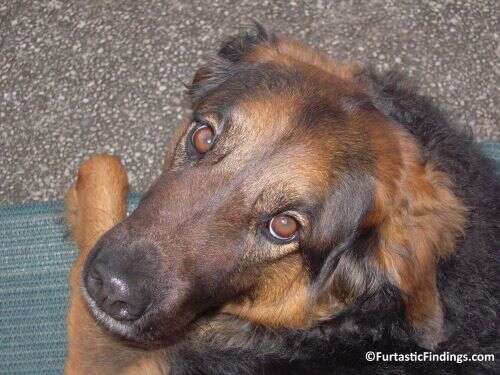
As our dogs get older, we know there are certain conditions they may develop that we need to keep an eye out for. Cataracts are one such condition. Cataracts in dogs are a common eye condition that can impact your pup’s vision. These cloudy or opaque changes in the lens of the eye can make it difficult for your dog to see clearly, and in severe cases, may lead to blindness.
This post will look at cataracts in dogs, what causes cataracts, risk factors associated with cataract development in dogs, symptoms your dog may experience, how it is diagnosed, treatment options available, and how to take care of your dog if they develop cataracts.
Table of Contents:
Related: Dog Eye Supplements, Best Eye Wipes For Dogs, Best Dog Goggles For Eye Protection
Disclaimer: This post is meant to be informative and should not be taken as medical advice. Talk to your veterinarian regarding any health concerns you may have for your dog.
What Are Cataracts In Dogs?
A cataract is a clouding of the lens in a dog’s eye, making it difficult for light to pass through.
When this happens, it can result in partial or complete vision loss.
Cataracts can be classified based on their size and location in the lens. They range from being small and insignificant to large and causing severe vision problems.
What Causes Cataracts In Dogs?
Cataracts in dogs can have multiple causes. The most common cause is genetics, which means some breeds are more prone to developing cataracts.
Other causes include diabetes and trauma to the eye. Diabetic cataracts form quickly and are due to high blood sugar leading to changes in the lens.
Age is also a factor. As dogs grow older, the likelihood of developing cataracts increases.
Exposure to toxins and poor nutrition can also contribute to the development of cataracts in dogs.
What Are The Risk Factors For Developing Cataracts In Dogs?
Cataracts are common in many dog breeds. For example, breeds like the Cocker Spaniel, Husky, and Schnauzer are particularly susceptible due to their genetic makeup. Other dog breeds susceptible to cataracts include:
- Labrador retriever.
- French poodle.
- Boston terrier.
- Welsh springer spaniel.
- Bichon frise.
- Toy poodle.
- Miniature poodle.
- Standard poodle.
Diabetes is also a common risk factor for the development of cataracts. Most dogs with diabetes are likely to develop cataracts within the first year of being diagnosed, no matter how well controlled their condition is.
Both younger and older dogs can develop cataracts, but older dogs are at a higher risk.
It is important to monitor your dog for any signs and seek veterinary care right away if you notice any changes in your pup’s vision or eye appearance.
What Are The Symptoms Of Cataracts In Dogs?
Cataracts in dogs can lead to vision loss and may eventually cause blindness. It’s important to recognize the symptoms early and seek veterinary care for an accurate diagnosis and management.
You might notice a cloudiness or milky appearance in your dog’s eyes. This is one of the most common signs of cataracts. Other symptoms include:
- Redness around the affected eye.
- Small pupil in that eye.
- Bumping into objects or furniture.
- Hesitation to jump or climb stairs.
- Frequent blinking or squinting.
- Light sensitivity.
- Changes in eye color.
- Missing a ball thrown on the affected side.
Your dog may also display signs of discomfort or irritation, such as pawing at the eyes.
Keep an eye on these symptoms and talk to your veterinarian if you notice any changes.
How Are Cataracts In Dogs Diagnosed?
If you suspect your dog has cataracts, a veterinarian can perform several tests to confirm if your dog has the condition. Common procedures include:
- Ophthalmic Examination: A detailed eye exam to assess cloudiness.
- Slit Lamp Biomicroscopy: To examine the lens and other structures of the eye.
- Electroretinography (ERG): To check retinal function.
Your veterinarian might also recommend blood tests to rule out underlying conditions like diabetes.
How Long Can A Dog Live With Cataracts?
Dogs can live many years with cataracts, but the quality of life might be significantly affected. Without treatment, cataracts can cause:
- Complete blindness.
- Discomfort and potential pain.
- Secondary issues like glaucoma.
- Inflammation of the eye.
- Instability of the lens.
- Issues with the eye that cannot be managed.
- Removal of the eye.
For dogs that don’t have their cataracts treated, medications such as steroids or anti-inflammatory eye drops may be prescribed to decrease eye inflammation. This won’t affect the cataract, but helping to control inflammation can help prevent other complications of the eye such as glaucoma.
Early detection and timely intervention are key to managing the condition and ensuring your dog’s well-being. Always follow your veterinarian’s recommendation for the best outcome.
What Treatment Options Are Available For Cataracts In Dogs?
Treating cataracts in dogs depends on the severity and impact on your dog’s vision.
Effective treatments include medical management, surgical interventions, and post-surgical care.
Medical Management
Medications can help alleviate symptoms like inflammation and pain.
Eye drops or oral anti-inflammatory drugs are often prescribed to reduce swelling and discomfort.
Supplements containing antioxidants may help slow the progression of cataracts in some cases, but they cannot cure them.
Your veterinarian will monitor your dog’s condition regularly and adjust treatments as needed.
If the cataracts are related to diabetes, controlling blood sugar levels is very important.
Surgical Interventions
Surgery is the most effective way to restore vision affected by cataracts.
The most common procedure is phacoemulsification, where the cloudy lens is emulsified with ultrasonic waves and removed.
An intraocular lens (IOL) is often implanted to replace the removed lens, helping your dog regain clearer vision.
Surgical success rates are generally high, but not every dog is a candidate.
Factors like overall health and pre-existing conditions can affect surgical decisions.
The best time to get cataract surgery for your dog is sooner rather than later.
Dogs who may not benefit from cataract surgery include:
- Dogs with a poor life expectancy.
- Pups with unstable health.
- Those that have eyes that are not healthy, excluding their cataracts.
- Dogs with a temperament not ideal for surgery.
Complications of cataract surgery can include:
- Eye inflammation.
- Glaucoma.
- Corneal ulcers.
- Infections.
- Retinal detachment.
Post-Surgical Care
After surgery, your dog’s recovery involves meticulous care.
Give your dog prescribed eye drops and medications to prevent infection and reduce inflammation.
Restrict your dog’s activities to prevent injury. This usually means limiting running, jumping, and rough play.
Regular follow-up visits with your veterinarian are important. Your veterinarian will check the healing progress and ensure there are no complications like infections or glaucoma.
You may also need to use an Elizabethan collar (E-collar) to prevent your dog from scratching or rubbing their eyes.
Proper post-surgical care significantly impacts the success of the surgery, so adhering to your veterinarian’s instructions is important.
Prevention And Management
Preventing and managing cataracts in dogs involves proactive care and consistent monitoring.
Certain measures can reduce the chance of development while ongoing management is important for dogs already diagnosed.
Preventive Measures
Regular veterinary check-ups can help identify early signs of cataracts.
Keep your dog’s blood sugar levels stable, especially if they are diabetic. High glucose can accelerate cataract formation.
Long-Term Management
If your dog already has cataracts, regular veterinary visits are important. Your veterinarian can help monitor your dog’s progress.
For dogs not undergoing surgery, manage other health conditions that might worsen cataracts.
Ensure good eye hygiene by keeping the eyes clean and free from debris.
Medications may be prescribed to reduce inflammation or other symptoms associated with cataracts.
Follow your veterinarian’s instructions closely to maintain your dog’s quality of life.
For more information about cataracts in dogs, please visit Cornell College of Veterinary Medicine, VCA Animal Hospitals, PetMD, and American Kennel Club.
Please check out our other posts on Health, Indoor, Outdoor, and Travel accessories for your dog, as well as Reviews of various products and travel destinations.