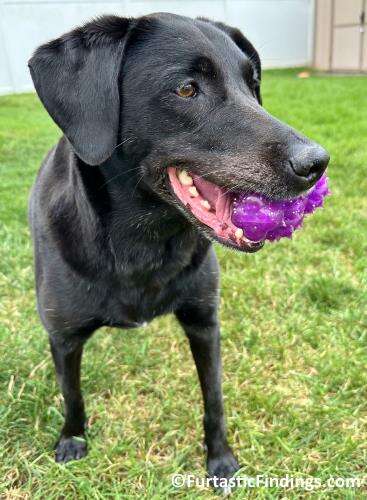
Your dog’s dental health is an important part of their health care routine. A dog dental cleaning is essential in maintaining healthy teeth and gums, preventing bad breath, and avoiding potential infections that can lead to more significant health issues.
This post will examine the importance of dental health, signs of dental issues in dogs, the best ways to help keep your pup’s teeth clean, what happens to your dog during a dental cleaning procedure, and how to maintain your dog’s teeth after the procedure.
Table of Contents:
| What Is The Importance of Dental Health in Dogs? | |
| What Are Signs Of Dental Issues In Dogs? | |
| What Happens During Dog Dental Cleaning Procedures? | |
| Post-Dog Cleaning Care and Maintenance |
Related: Dental Toys For Dogs For Cleaner Teeth, Best Dog Teeth Cleaning Bones And Chews, Dental Wipes For Dogs, Enzymatic Toothpaste For Dogs, Best Dog Toothbrush For A Clean Mouth, Best Dog Dental Spray For Cleaner Teeth, Best Dental Water Additive For Your Pup
Disclaimer: This post is meant to be informative and should not be taken as medical advice. Talk to your veterinarian regarding any health concerns you may have for your dog.
What Is The Importance of Dental Health in Dogs?
Proper dental care is an important part of your dog’s overall health and well-being. As a responsible pet parent, keeping your dog’s teeth and gums clean can prevent complications and lead to a happier, longer life for your dog.
Preventing Tooth Loss
This is one of the most important reasons to prioritize your dog’s dental health. Damage or infection in the structures supporting your dog’s teeth may cause them to loosen and fall out. Not only does tooth loss impair their ability to chew, but it can also lead to more severe health issues.
Periodontal Disease
This is a common problem among dogs, with tartar and plaque buildup contributing to its development. Getting your dog’s teeth cleaned regularly, both professionally and at home, can help prevent such dental health issues.
What Are Signs Of Dental Issues In Dogs?
As a dog parent it’s important for you to be aware of the signs of dental problems in your pup. One indication to look out for is bad breath. While it’s normal for a dog’s breath to have a mild odor, excessively foul-smelling breath could suggest an underlying dental issue such as gum disease or tooth decay.
Another sign of dental problems is pickiness around mealtimes. If your dog is suddenly hesitant to eat or shows discomfort while eating, it might be due to a fractured tooth or periodontal disease, warranting a visit to your vet.
To prevent dental issues, consider the following tips:
- Regular dental cleanings: Small dogs should have their first dental cleaning by age 2, and large dogs by age 3. Talk with your veterinarian for recommended cleaning schedules.
- Home dental care: Plaque can form in as little as six hours after a dental cleaning. Establish a home dental care routine that includes regular tooth brushing.
- Toys and chews: Provide safe toys and chews specifically designed to improve dental health.
- Diet: Feed your dog a well-balanced diet.
What Is The Best Way To Keep My Dog’s Teeth Clean?
To maintain your dog’s dental health, follow these tips:
- Schedule regular veterinary checkups. A professional dental examination at least once a year can identify early signs of dental issues. During the visit, the veterinarian will clean and polish your dog’s teeth, as well as take dental X-rays if necessary.
- Incorporate at-home dental care. Develop a routine of cleaning your dog’s teeth using specialized toothpaste and brushes designed for dogs. In addition, provide dental chews and toys to help supplement their oral health.
- Monitor your dog’s breath. While it’s normal for dogs to have a slight odor, extremely bad breath may indicate underlying dental problems. Keep an eye – and nose – on your pup’s breath, and consult your veterinarian if you detect any concerning changes.
Maintaining your dog’s dental health is a vital part of ensuring their overall well-being. By prioritizing dental care, you’ll be doing your best to give your dog a healthy, happy life.
What Happens During Dog Dental Cleaning Procedures?
During a dental cleaning procedure, your dog will under go a pre-cleaning assessment to make sure they are fit for the procedure, scaling and polishing of the teeth, and a dental examination.
Pre-Cleaning Assessment
Before your dog undergoes a dental cleaning, a pre-cleaning assessment is conducted to ensure their safety and health. This initial assessment may include:
- Physical examination: A thorough check of your dog’s overall health, focusing on any signs of dental issues or complications.
- Bloodwork: Obtaining a sample of your dog’s blood for a complete blood count (CBC) and chemistry panel, which helps determine if your dog is fit for anesthesia.
- Intravenous (IV) catheter placement: Setting up an IV catheter that aids in quick administration of medications and fluids during the procedure.
Scaling and Polishing
Once your dog has been cleared for the procedure, the dental cleaning itself involves two main steps:
Scaling
Scaling includes the removal of plaque and tartar build-up on your dog’s teeth using specialized instruments or ultrasonic devices. This process helps prevent periodontal disease by removing harmful bacteria in the tartar.
Polishing
After all of the tartar and plaque have been removed, your dog’s teeth will be polished with a specialized paste. This smooths the surface of the teeth to discourage bacteria and plaque from building up.
Dental Examinations
During the dental cleaning, your veterinarian will examine your dog’s mouth. This includes:
- Visual inspection: Checking for any abnormalities such as broken or loose teeth, gum disease, or other oral issues.
- Probing: Using a dental probe to measure gum pocket depth, which can indicate periodontal disease.
- Diagnostic imaging: Your veterinarian may choose to perform dental X-rays if needed. This helps to identify any hidden issues, such as tooth root abscesses or bone loss, that may not be visible during the visual inspection.
Following these steps, your veterinarian will discuss any findings and suggest further treatment or preventive measures to ensure your dog’s oral health is maintained.
Post-Dog Dental Cleaning Care and Maintenance
After a dental cleaning, it is important to perform maintenance care to keep your pup’s teeth and gums healthy. Following the procedure, you may need to adjust your dog’s diet by providing soft canned food or moistening kibble with water, as their mouth may be sensitive. Make sure they have plenty of fresh water available and administer any prescribed antibiotics, especially if any teeth were removed.
To maintain your dog’s oral health, consider the following tips:
- Regular brushing: Brush your dog’s teeth every day using a toothpaste and toothbrush designed for dogs. This helps to remove plaque and prevent tartar from building up, which can decrease the risk of gum disease and bad breath.
- Dental chews and toys: Giving your dog dental dog chews and toys can help clean their teeth and stimulate their gums.
- Professional check-ups: Schedule regular dental check-ups with your veterinarian to ensure your dog’s teeth and gums remain healthy. They may recommend a cleaning frequency based on the condition of your dog’s mouth.
- Monitor for signs: Keep an eye out for any signs of dental issues, such as bad breath, pawing at the mouth, or difficulty chewing. If you notice any of these, talk to your veterinarian.
By following these post-cleaning care and maintenance tips, you can prolong the benefits of your dog’s dental cleaning and promote a healthy oral environment.
A dog dental cleaning does not need to be a scary thing. By knowing what happens during the procedure, you can prepare yourself for what your dog will go through and what to expect afterwards, leading to a calm and more stress free experience for both you and your dog. Implementing post-cleaning measures can help maintain your dog’s dental health and avoid potential costly vet treatments in the future.
Please check out our other posts on Health, Indoor, Outdoor, and Travel accessories for your dog, as well as Reviews of various products and travel destinations.